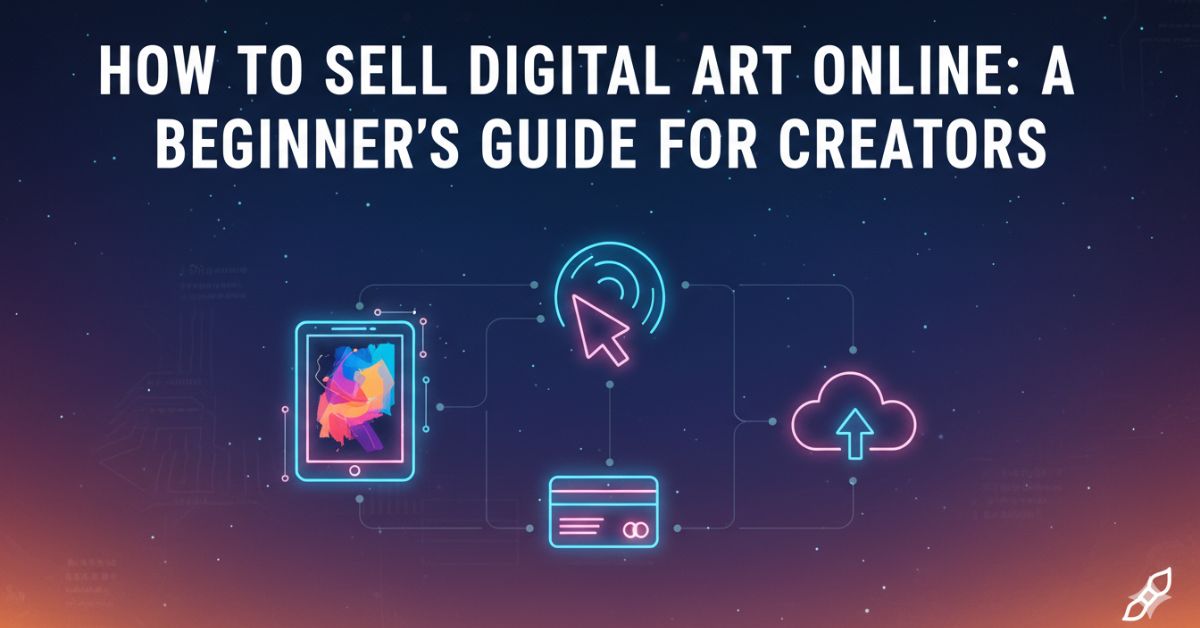
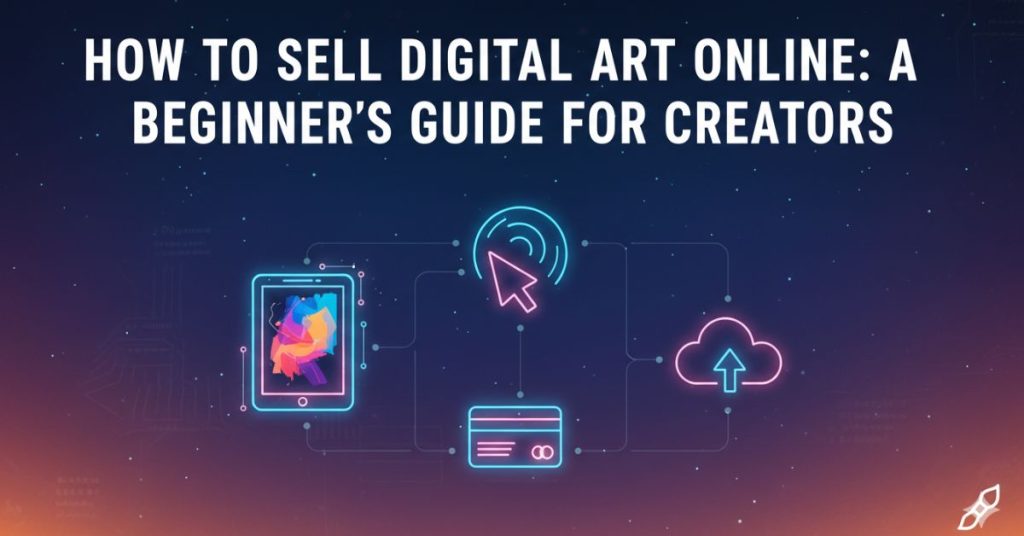
If you enjoy creating designs, illustrations, or graphics, you already have a skill that can turn into income. Many beginners assume they need professional-level experience before they can sell digital art, but the reality is much simpler. The online market has opened doors for creators at every level.
Digital products are easy to create, store, and deliver, which makes them highly attractive for both sellers and buyers. This growing demand has made it easier than ever to sell digital art online and reach people beyond your local area. With the right mindset and a bit of consistency, even beginners can start seeing results.
What Kind of Digital Art Sells Best Online?

One of the biggest mistakes beginners make is creating whatever they like without thinking about demand. While creativity matters, successful sellers understand what people are actively looking for.
Designs that solve a purpose usually perform better. This includes printable wall art, social media templates, branding elements, and custom illustrations. These are items people actually use in their daily lives, which makes them easier to sell.
If your goal is to sell digital prints and become a digital art seller, focus on designs that fit into real situations like home decor, business needs, or gifts. When your work connects with a clear use, it naturally attracts more buyers.
How to Find Your Niche as a Digital Artist?
Trying to do everything at once often leads to slow progress. A clear niche helps you stay focused and makes your work more recognizable. It also builds trust with your audience because they know what to expect from you.
You can start by exploring different styles, but pay attention to what gets more engagement. Some creators grow quickly with minimalist designs, while others succeed with playful or business-focused visuals. There is no single right choice.
Over time, narrowing your focus will make it easier to sell digital art online because your work starts to attract the right audience instead of everyone.
Tools You Need to Create and Sell Digital Art
Many beginners delay starting because they think they need expensive tools. In reality, simple and accessible software is more than enough in the beginning. What matters most is how you use it.
Tools like Procreate, Canva, and Photoshop are widely used because they offer flexibility for different styles. Canva is especially helpful for beginners, while Procreate and Photoshop allow more detailed work.
Instead of jumping between tools, pick one and get comfortable with it. Strong basics will help you sell digital art more effectively than constantly switching software.
Best Platforms to Sell Your Work Online
Choosing where to list your work is an important step. Many beginners search for the best place to sell digital art, but the answer depends on how you want to work and what you are selling.
Etsy
Etsy is often the easiest starting point if you are selling ready-made designs like wall art, planners, or templates. It already has a large audience, which makes it easier for beginners to get visibility without building traffic from scratch.
Fiverr

Fiverr works well if you want to offer personalized designs, such as logos or custom illustrations. Instead of uploading products, you create service listings and work directly with clients.
Gumroad
Gumroad is a good option if you want more control over pricing and branding. It allows you to sell directly to your audience without relying too much on a marketplace.
Redbubble
Redbubble is useful if you want your designs printed on items like t-shirts, mugs, or posters. You upload your artwork, and the platform handles production and shipping.
You do not need to be everywhere at once. Start with one platform, understand how it works, and improve your listings. As you grow, you will naturally discover the best place to sell digital art for your style and goals.
How to Price Your Digital Art Without Undervaluing It
Pricing is where many beginners struggle. Setting prices too low might bring attention, but it often reduces the perceived value of your work. At the same time, pricing too high without experience can slow down sales.
A balanced approach works best. Look at similar products in your niche and use them as a reference. Consider how much time and effort go into your work, and price it in a way that feels fair to you.
If you are learning how to sell digital art, remember that pricing is not permanent. You can always adjust it as your confidence, skills, and demand grow.
How to Create Listings That Actually Convert
Even strong designs can go unnoticed if they are not presented well. A good listing helps people understand what they are buying and why it is worth it.
Focus on clear titles, simple descriptions, and high-quality preview images. Your goal is to remove confusion and make the decision easy for the buyer. Mockups are especially helpful because they show how your design will look in real life.
When done properly, these details can significantly improve your chances of selling digital prints without changing the design itself.
Simple Marketing Strategies to Get Your First Sales
Creating and uploading your work is only the beginning. If people do not see your designs, they cannot buy them. This is why marketing plays such an important role.
Social media platforms like Instagram, Pinterest, and TikTok can help you reach a wider audience. Instead of focusing only on finished designs, share your process, ideas, and progress. This makes your content more relatable and engaging.
Many creators who successfully sell digital art focus on consistency rather than perfection. Showing up regularly builds trust and keeps your work visible.
Common Mistakes Beginners Should Avoid
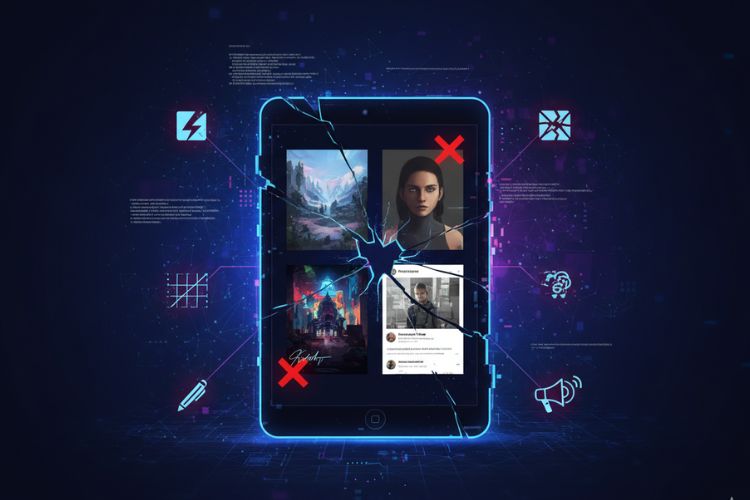
Most beginners face similar challenges when starting out. These mistakes often slow down progress, even when the artwork is good. Being aware of them early can help you improve faster and avoid unnecessary frustration.
- Many creators delay launching because they feel their work is not ready, but progress begins only when you take action.
- Simply posting your designs is not enough, because without promotion or visibility, even strong work can go unnoticed.
- Trends can bring attention, but copying them exactly makes your work look similar to others, while adding your own style helps you stand out.
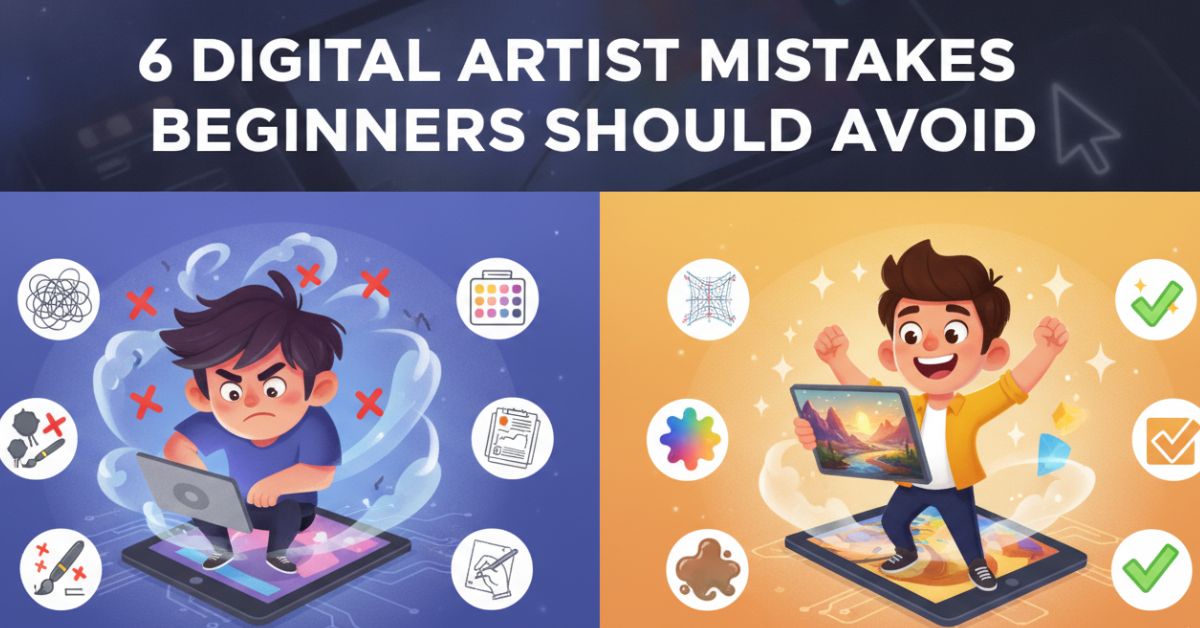
If you want to avoid common Digital Artists Mistakes, focus on consistency, keep improving your skills, and build your own creative identity over time.
Conclusion
Starting may feel uncertain, but waiting too long can hold you back. You do not need perfect skills or a large audience to begin. What matters is taking the first step and learning as you go.
The opportunity to sell digital art is growing every day, and those who stay consistent are the ones who benefit the most. Keep improving, stay patient, and trust your creative journey. If you have been thinking about selling digital art online, now is the right time to begin.
If you are ready to turn your creativity into real income, Craftsy Bytes offers a simple way to get started without feeling overwhelmed. It allows you to sell digital art, connect with buyers worldwide, and build your presence as a creator. With easy uploads and instant delivery, you can focus more on creating and less on technical work while growing your digital art journey step by step.sell digital art